If you just bought an electric vehicle, you might have felt your jaw hit the floor when you saw tire prices. A single EV-specific tire from a name brand can set you back 8,000 - 15,000 THB — roughly double what you would pay for a comparable petrol car tire.
The immediate question every owner asks: "If I hit a pothole, blow a tire, or run over a nail that shreds the sidewall — does my Class 1 insurance cover it? And how much do they actually pay?"
This article from PrakanEV settles both questions — the claiming rules and why EV tires cost what they cost.
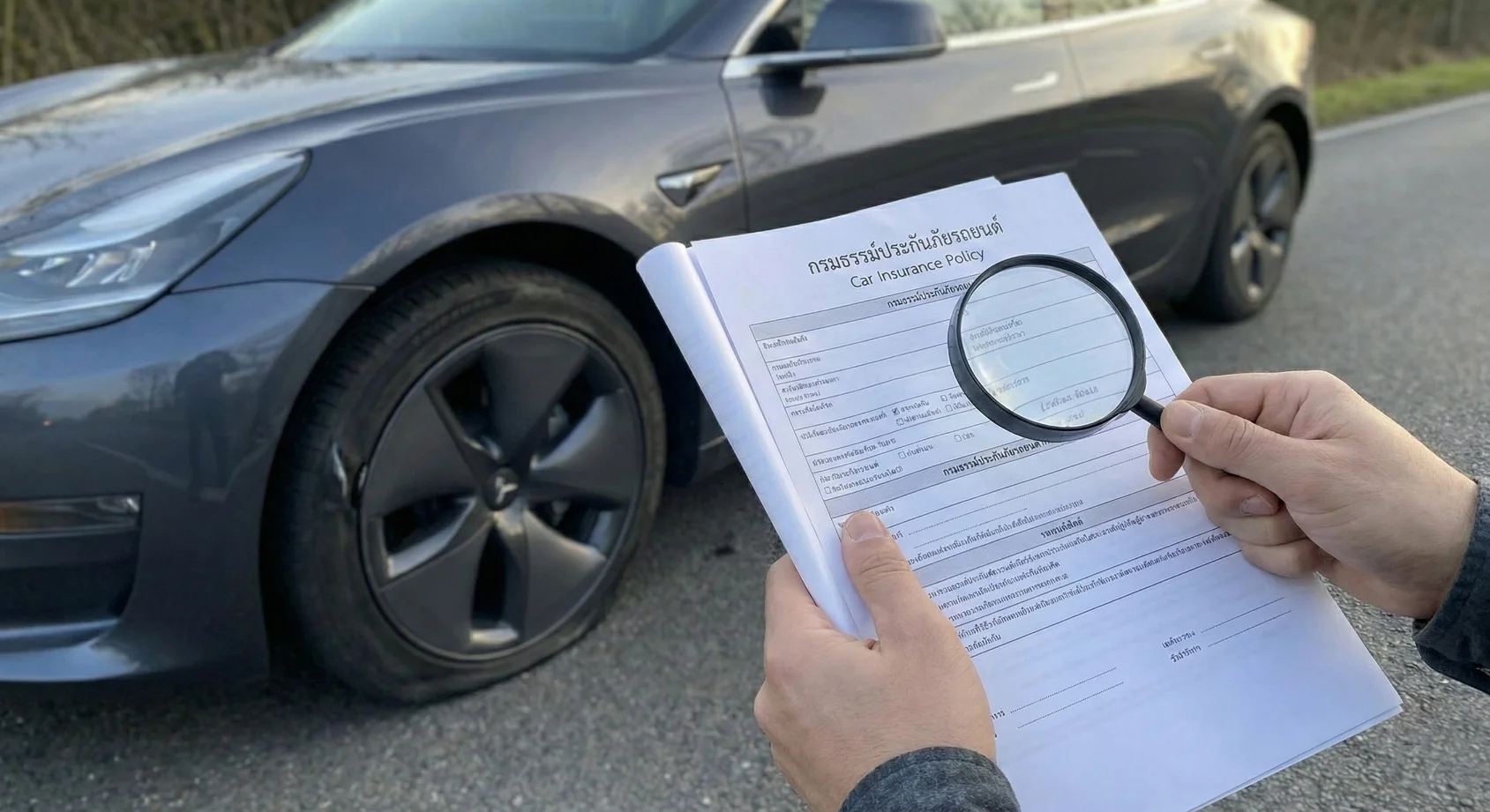
✅ Yes, you can claim: If the damage is from an accident (pothole impact, curb strike, nail puncture), Class 1 insurance covers it.
💰 But only 50% of the tire cost: Under OIC regulations, tires are classified as wear-and-tear items. The insurer pays 50% of the replacement tire cost — you cover the other 50%. (If your wheel rim is bent or cracked from the same impact, insurance covers the rim repair or replacement at 100%.)

Jump To
- 1. When Can You Claim Insurance for Tire Damage?
- 2. Why EV Tires Cost 2x More Than Regular Tires
- 3. EV Tires vs. Regular Tires — What Is Actually Different?
- 4. Can You Put Regular Tires on an EV?
- 5. Step-by-Step Tire Claim Process
- Frequently Asked Questions
1. When Does Insurance Actually Pay for Tire Damage? 🤔
Not every flat tire qualifies for a claim. The core insurance principle is: "It must be caused by an accident."
✅ Claimable (Accident):
- Hitting a deep pothole hard enough to bulge or blow out the tire
- Scraping against a curb and tearing the sidewall
- Running over a large sharp object that causes an unrepairable blowout
- Tire damage resulting from a broader collision
❌ Not Claimable (Wear & Tear):
- Tread worn down naturally over time
- Slow leaks or gradual pressure loss from normal use
- Deliberate damage (e.g., slashing your own tire)
Important: A tire claim counts as a "fresh claim" on your record. If there is no identifiable at-fault party (e.g., you hit an unmarked pothole), filing this claim may affect your No Claim Bonus (NCB) discount next year. Do the math: is the 50% tire reimbursement worth potentially losing a 20-50% premium discount next renewal?
2. Why Do EV Tires Cost Twice as Much? 💸
They look like regular tires from the outside. So why the massive price gap? Three engineering reasons:
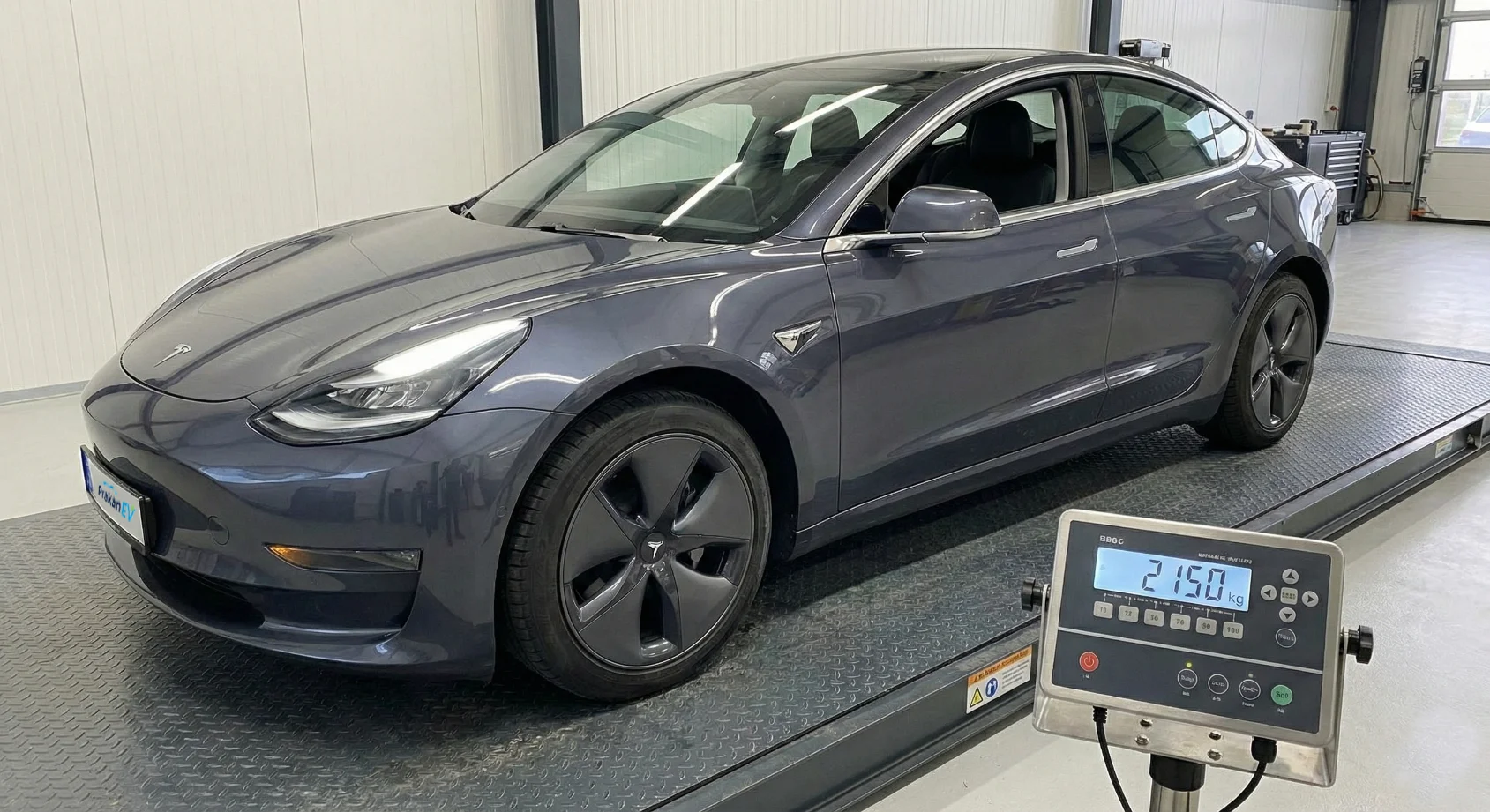
- Extreme weight (the battery penalty): An EV's battery pack adds 300-500 kg over an equivalent petrol car. The tires must have reinforced internal structures — stronger sidewalls, heavier-duty belts — just to hold the car up without deforming. That reinforcement costs money.
- Instant torque chews through rubber: An electric motor delivers maximum torque from zero RPM. All of that force goes through the contact patch of four tires. If the rubber compound and tread pattern are not specifically engineered for this abuse, you will be buying new tires every 20,000 km. EV tire manufacturers use proprietary high-durability compounds that resist this shredding — and they charge for the R&D.
- You can hear everything in an EV: With no engine noise to mask it, tire roar becomes the dominant sound in the cabin at highway speeds. EV-specific tires contain acoustic foam liners inside the tire cavity to absorb that noise. Adding a precision-installed foam ring to every tire adds manufacturing steps and cost.
3. EV Tires vs. Regular Tires — What Is Actually Different? 📊
| Property | EV-Specific Tire | Regular Tire |
|---|---|---|
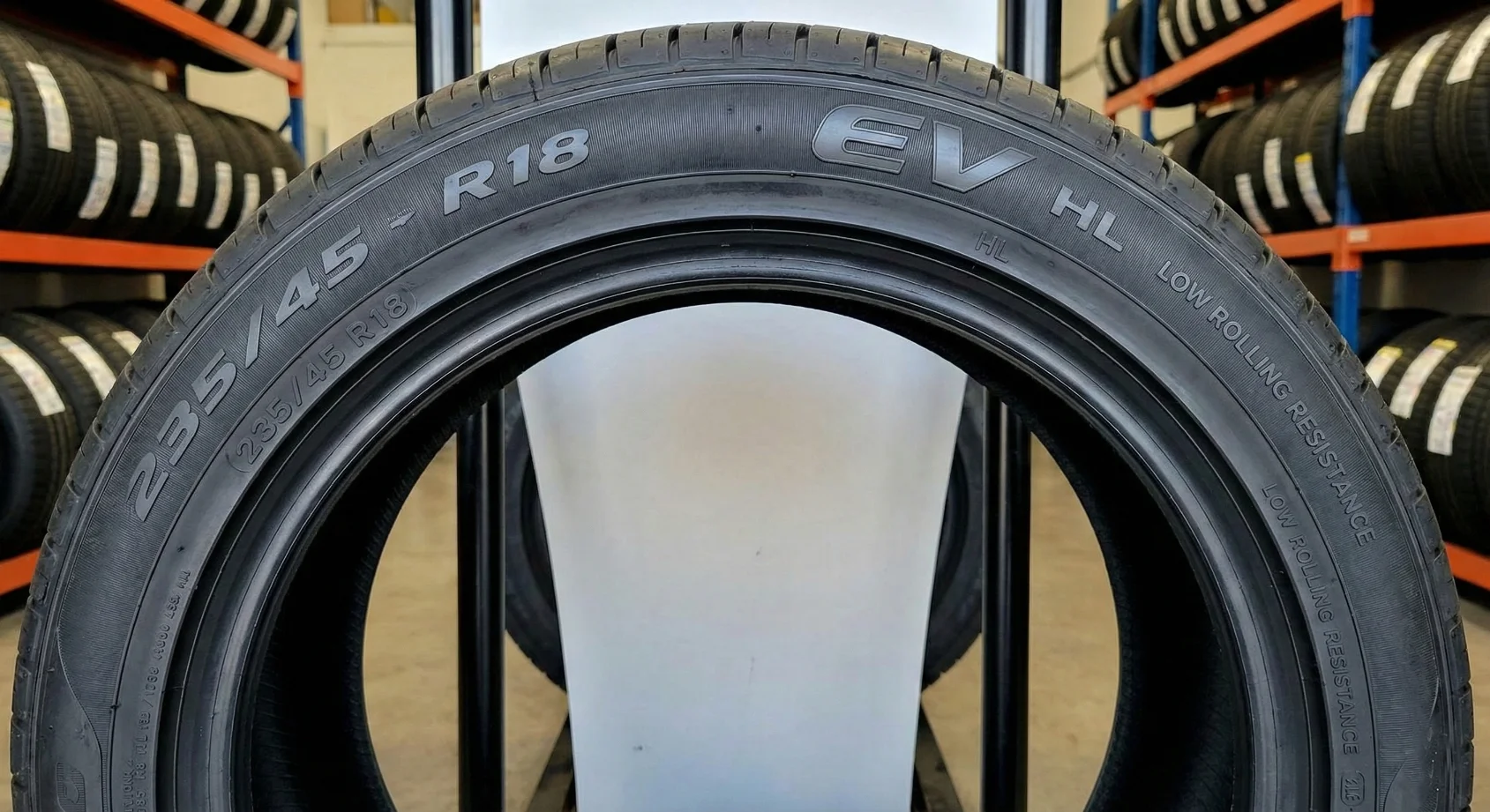
| Load Capacity (Load Index) | ✅ Very High (HL — High Load rated) | Standard Load |
| Noise Reduction | ✅ Built-in acoustic foam liner | No foam |
| Rolling Resistance | ⚡ Very Low (extends driving range) | Moderate to High |
| Average Price Per Tire | 8,000 - 15,000+ THB | 3,000 - 6,000 THB |
4. Can You Just Put Regular Tires on an EV? 🚫
Short answer: "They will physically fit. They will not perform safely."
Putting standard passenger-car tires on a heavy, high-torque EV creates a cascade of problems:
- Tread life collapses: You might not get 20,000 km before the tires are bald.
- Range drops: Higher rolling resistance drains your battery faster — cancelling out whatever you saved on the cheaper tires.
- Cabin noise increases sharply: Without the acoustic foam, highway driving becomes fatiguingly loud.
- Blowout risk: At high speed with a full load, a standard tire may not handle the sustained stress. The consequences of a failure at 120 km/h are not something you want to discover firsthand.
For safety and performance, stick with tires marked EV Ready or carrying the HL (High Load) designation. If the cost stings, that is exactly why solid EV insurance that covers tire damage matters.
5. Step-by-Step: How to Claim Tire Damage 📝
- Photograph everything immediately: Take photos of the scene (the pothole, the curb, the debris) and close-ups of the damaged tire from multiple angles. This documentation is the difference between an approved claim and a denied one.
- Call your insurer: Describe what happened as an accident — do not say "my tire is flat." Say "I hit a deep pothole and the tire blew out." The cause determines coverage.
- Get your claim document: The insurer's surveyor will issue a claim form at the scene or at the repair shop.
- Replace the tire: Take the car to an authorized service center or tire shop. Have the new tire installed and pay the full amount upfront — keep the receipt and the damaged tire (some insurers require the old tire as evidence).
- Submit for reimbursement: File the receipt and claim document with your insurer. They will reimburse 50% of the tire cost according to your policy terms.
Bottom Line: EV Tires Are Expensive But Non-Negotiable — Insurance Softens the Blow
EV-specific tires are the single most important component connecting your car's performance to the road. The price premium is real, but it buys you safety, range, and cabin comfort that standard tires cannot deliver. Having Class 1 car insurance means that when the unexpected happens — and with Thai roads, it will — at least half the cost is covered.
Check your EV insurance premium today. Get coverage that protects your car, your battery, and your tires. Contact PrakanEV for a free comparison.
Before you decide, compare EV insurance from several insurers on our homepage — you will see premiums and coverage side by side.